How often do fresh berries turn soft and mouldy just a day or two after they arrive home? Berries are among the most perishable fruits in the kitchen, and how they are stored makes a measurable difference between a punnet that lasts a few days and one that spoils within hours. Our platform offers comprehensive tools to accurately measure your internet connection and performance, and we bring the same methodical approach to everyday questions like this one. The right storage method depends on the berry, the moisture level, and the temperature of the fridge. This guide explains what actually works in practice, which common mistakes to avoid, and how to keep each type of berry fresh for as long as possible.
Why Fresh Berries Spoil So Quickly
Berries are delicate by design. Their thin skins bruise easily, and any damaged fruit releases moisture that encourages mould across the whole container. Most fresh berries keep best refrigerated at about 0–4 °C (32–40 °F) and should be used within a few days to about a week, depending on the type. Warmth, condensation, and overcrowding all speed up spoilage.
The single most important factor is moisture. Wet berries spoil far faster than dry ones, which is why the storage advice that follows consistently centres on keeping fruit dry, cool, and well ventilated.
Keep berries dry, cold, and uncrowded, and most containers will last noticeably longer.
The Golden Rule: Do Not Wash Berries Before Storing
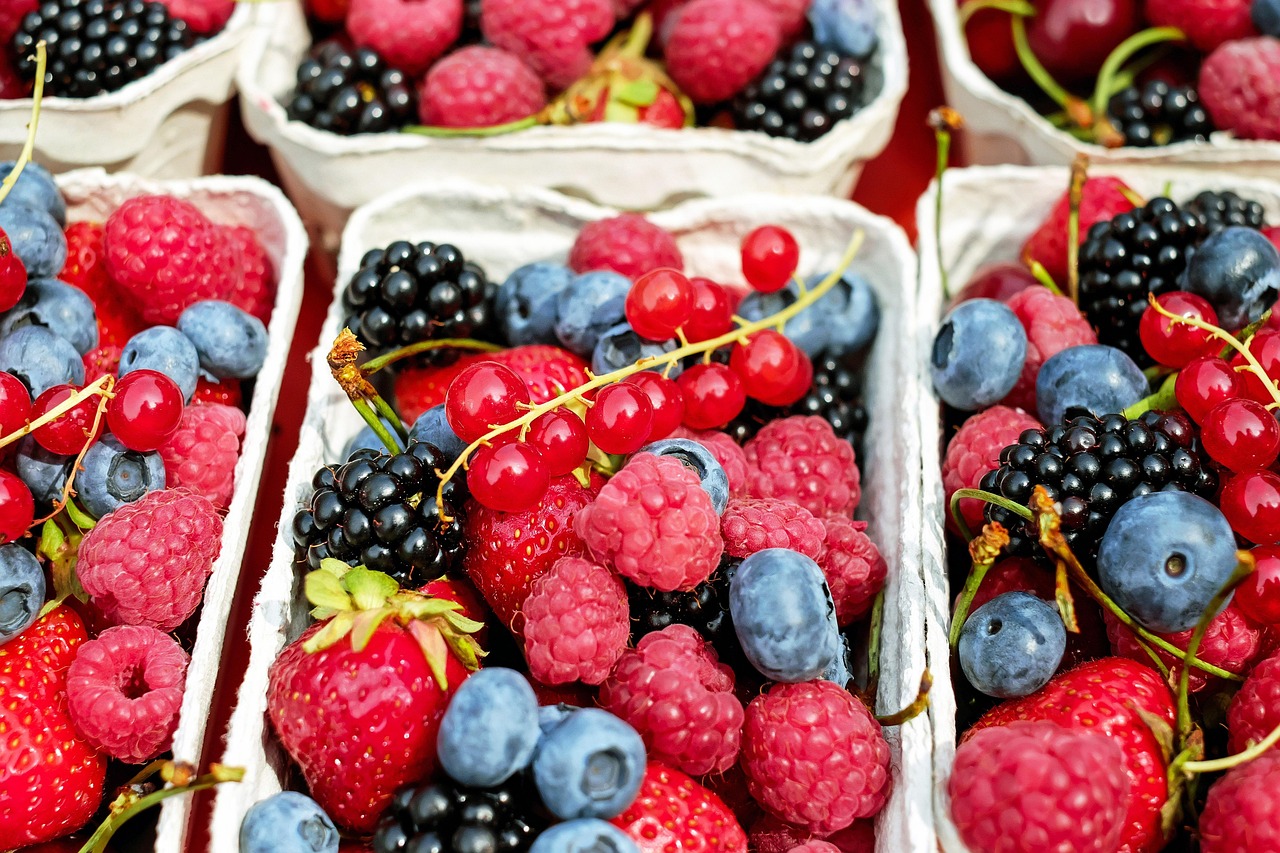
The most common mistake people make is rinsing berries as soon as they get home. Washing before refrigeration adds moisture to the surface of the fruit, and that extra dampness promotes mould. The practical fix is simple: rinse berries just before eating, not before storing.
If a quick rinse is unavoidable, dry the berries thoroughly with a paper towel and let them air dry completely before they go back into the fridge. Any lingering droplets trapped in a closed container become a breeding ground for spoilage.
Sort and Discard Before Storing
Before berries go into the fridge, spread them out and inspect them. Remove any fruit that is bruised, leaking, or already showing mould. Mould spreads quickly in moist conditions, and one soft berry can affect an entire container within a day.
Handle the fruit minimally. Raspberries and blackberries in particular bruise very easily and should be tipped gently onto a paper towel rather than poured or pressed. Sorting takes only a minute or two, and it is one of the highest-value steps in any storage routine.
Refrigerator Storage: Temperature and Placement
The fridge is the default home for fresh berries, but placement matters. Store berries in the main body of the refrigerator rather than in the door, where temperature fluctuates each time the door opens. Aim for a consistent cold setting and avoid stacking heavy items on top of punnets.
| Berry | Typical fridge life | Best container |
|---|---|---|
| Strawberries | About 3–7 days | Shallow container lined with paper towel |
| Blueberries | About 1–2 weeks | Covered container, unwashed |
| Raspberries | About 1–3 days | Shallow, breathable container |
| Blackberries | About 1–3 days | Shallow, breathable container |
These ranges are guides rather than fixed rules. Ripeness at purchase and fridge humidity both matter, so a firm, dry punnet will often outlast a soft, damp one by several days.
Paper Towels and Breathable Containers
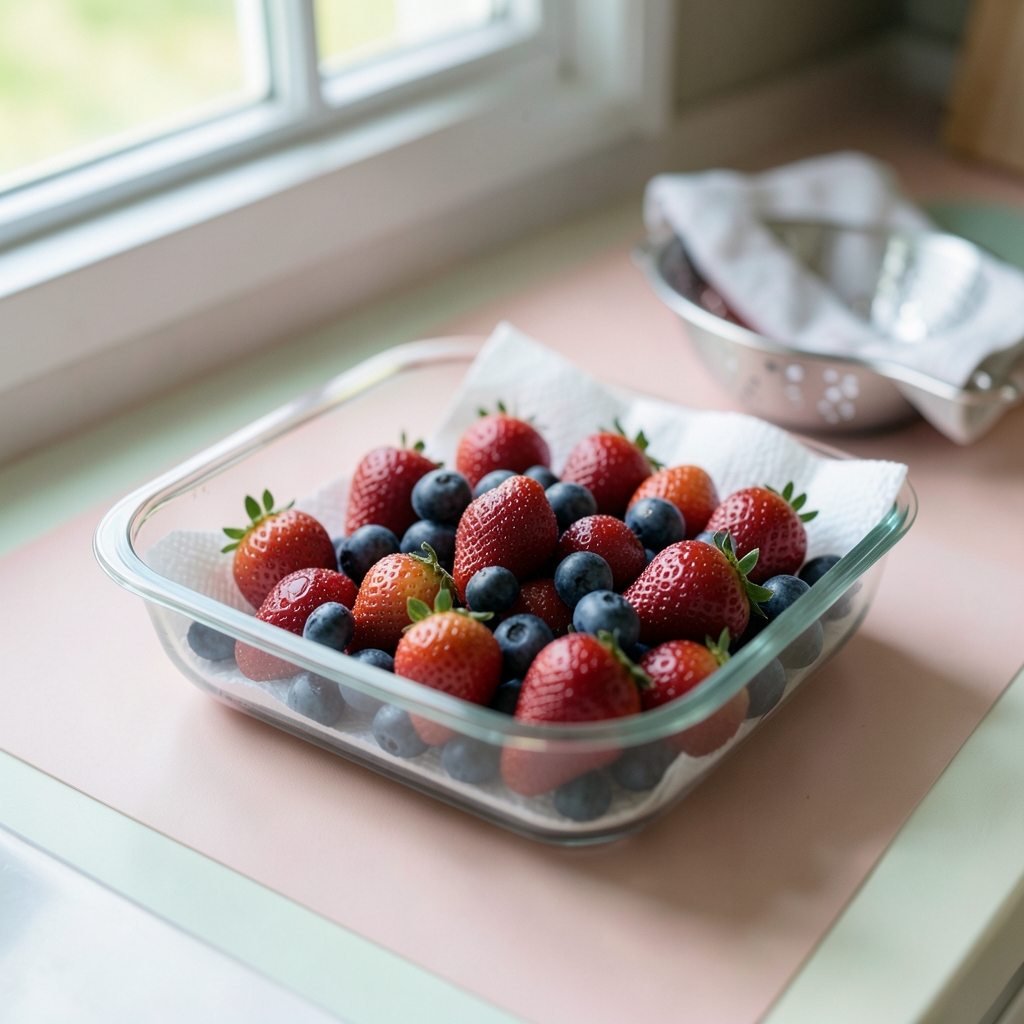
Lining a container with paper towels to absorb condensation is one of the most widely repeated and genuinely effective storage tips. The towel catches moisture that would otherwise collect around the fruit. Replace the towel if it becomes damp.
There is some disagreement about whether fresh berries should go into airtight or breathable containers. In practice, breathable containers work well for fragile berries such as raspberries, while blueberries often keep well in a covered container. What matters most is that excess moisture can escape and the fruit is not packed too tightly.
Paper towels and a little breathing room do more for berry shelf life than any specialist gadget.
Storing Strawberries
Strawberries are highly perishable and are best eaten within about 3–7 days of purchase. Keep them refrigerated, unwashed, in a shallow container lined with paper towel. Remove damaged or mouldy fruit promptly, because spoilage spreads from one berry to its neighbours.
If strawberries are slightly underripe, leaving them at room temperature for a short time can improve flavour, but they should return to the fridge once ripe. For anyone growing their own, the same handling principles apply straight from the garden.
Storing Blueberries
Blueberries keep longer than most berries, commonly about 1–2 weeks when refrigerated. The usual recommendation is to store them unwashed in a covered container. Because they are firmer than raspberries, they tolerate slightly closer packing, though they still benefit from being kept dry.
Check blueberries before storing and discard any that are shrivelled or leaking. A quick sort at the start of the week pays off later.
Storing Raspberries and Blackberries
Raspberries and blackberries are very fragile. They bruise easily, should be handled minimally, kept refrigerated, and eaten within about 1–3 days. A shallow, breathable container is ideal, and the fruit should be arranged in a single layer where possible.
Avoid pressing down on the fruit when closing a lid. If the berries are for a specific recipe, plan to use them early in the week rather than at the end.
Freezing Berries for Long-Term Storage
Freezing is the main long-term option, and berries freeze well. The method that works best is to wash and dry the berries thoroughly, spread them on a tray in a single layer, and freeze them before transferring to bags. This reduces clumping and keeps individual berries separate for later use.
Frozen berries are typically used within about 6–12 months for best quality. They work well in smoothies, baking, and cooked dishes, though they lose their firm texture on thawing. Label bags with the date so older stock gets used first.
Common Storage Mistakes to Avoid
Several habits quietly shorten berry shelf life:
- Washing berries before storing them.
- Leaving berries in a warm car or on a sunny counter for hours after shopping.
- Packing fragile berries into deep, crowded containers.
- Keeping mouldy fruit in the punnet in the hope of salvaging the rest.
- Storing berries in the fridge door, where temperatures swing.
Each of these mistakes is easy to correct, and together they account for most of the spoilage people experience at home.
Practical Tips That Work in Practice
A few small habits make a real difference. Shop for berries last when running errands so they spend less time out of the fridge. Choose punnets with dry, firm fruit and no visible mould. When you get home, sort, line, and refrigerate straight away.
If berries are approaching the end of their useful life, use them in cooking rather than waiting. A quick compote or a batch of muffins rescues fruit that would otherwise be discarded. Those who enjoy growing their own produce will find that the same principles apply to growing fresh culinary herbs on a small apartment balcony and to best herbs to grow indoors for fresh flavours and high yields, where careful handling and good airflow matter just as much.
Key Takeaways
- Keep berries dry, cold, and uncrowded; moisture is the main cause of spoilage.
- Do not wash berries before storing them; rinse just before eating.
- Sort and discard damaged or mouldy fruit before refrigeration.
- Line containers with paper towel and store berries in the main body of the fridge.
- Freeze surplus berries on a tray before bagging to prevent clumping.
- Expect shorter fridge life for fragile berries and longer life for blueberries.
How Long Do Berries Last in the Fridge?
Strawberries last about 3–7 days, blueberries about 1–2 weeks, and raspberries and blackberries about 1–3 days when refrigerated properly. Ripeness at purchase and fridge humidity affect these ranges.
Should Berries Be Washed Before Storing?
No. Washing before storing adds moisture that promotes mould. Rinse berries just before eating, and dry them thoroughly if they must be washed early.
What Is the Best Container for Fresh Berries?
A shallow container lined with paper towel works well for most berries. Fragile berries such as raspberries benefit from a breathable container, while blueberries often keep well in a covered one.
Can Berries Be Frozen Without Washing?
Berries can be frozen unwashed, but washing and drying them first, then freezing on a tray in a single layer, gives cleaner, less clumped results. Use frozen berries within about 6–12 months for best quality.
How Can Mouldy Berries Be Handled?
Discard any berries showing mould or soft rot rather than trying to salvage the container. Mould spreads quickly in moist conditions, so removing affected fruit promptly protects the rest.
Do Berries Need to Be Stored in the Fridge Door?
No. The fridge door has fluctuating temperatures. Store berries in the main body of the refrigerator, where the cold is more consistent.
For those who also work online or run digital projects from home, keeping a stable routine extends beyond the kitchen; our guide to practical ways to earn income through digital platforms and web services and our overview of how network inventory visualization works show how the same attention to detail pays off in other areas.
Beyond these basics, a few refinements can extend berry life further without special equipment. If your refrigerator has a humidity-controlled crisper drawer, use the low-humidity setting for berries; the vent allows excess moisture to escape, which suits fruit that spoils fastest when damp. Some people also place a small piece of dry paper towel in the bottom of the punnet itself, then invert the punnet gently so the berries rest on the towel rather than sitting in their own juices. Either way, check the lining every day or two and swap it out the moment it feels damp.
Buying habits matter as much as storage technique. Berries sold in clear plastic punnets should be inspected from the side and bottom as well as the top, since mould often starts where air cannot circulate. Avoid punnets with stained or soggy bases, which usually signal crushed fruit beneath. When buying at a farmers’ market, ask how recently the fruit was picked; a punnet picked that morning will often outlast a supermarket punnet of unknown age by several days. If you buy in bulk, split large quantities into smaller shallow containers rather than storing everything in one deep tub, so that a single spoiling berry does not compromise the whole batch.
For berries that are softening but not yet spoiled, do not wait for mould to appear. Spread them on a tray and freeze them for smoothies, or cook them down into a quick compote with a little sugar and lemon juice; the result keeps for about a week in the fridge and freezes well. Overripe strawberries also mash neatly into yogurt or pancake batter. The principle throughout is the same one that governs every step above: act early, keep things dry and cool, and give the fruit room to breathe. Handled this way, fresh berries reward a few minutes of attention at the start of the week with days of extra usable life.
Finally, resist the urge to overstock. Berries are best bought in quantities you can realistically eat within their window, so a smaller, fresher purchase often beats a bargain punnet that spoils before it is used. With these habits in place, storage becomes a simple routine rather than a scramble, and every berry is more likely to reach the table at its best.
Leave a Reply
You must be logged in to post a comment.